An executor (in Ontario, often called an estate trustee) is the person responsible for administering a deceased person's estate according to the terms of their will. It sounds straightforward — but in practice, executing an estate can take 1–3 years, require dealing with the CRA, courts, creditors, financial institutions, and beneficiaries, and expose you to personal liability if you make errors. 王羽恬的 CEA 资格 specifically prepares her to help executors — and their clients — navigate this process.
遗囑执行人实际上做什麼?
- Locate and review the will; confirm you're actually named as executor
- Arrange the funeral (if not already done by family)
- Apply for probate — formal court confirmation that the will is valid and you have authority to act
- Notify government agencies, financial institutions, and creditors of the death
- Identify, value, and protect all estate assets
- Pay all debts and liabilities of the estate before distributing to beneficiaries
- File final income tax returns and any outstanding tax filings
- Obtain a tax clearance certificate from the CRA
- Distribute assets to beneficiaries according to the will
- Maintain detailed records of all decisions and transactions throughout the process
遗产管理时间表
| 階段 | 典型时间跨度 | 关键活动 |
|---|---|---|
| 即时(0至1个月) | Days to weeks | Funeral arrangements, secure assets, locate will, notify family |
| 遗囑认证(1至6个月) | Varies by province | Apply for Certificate of Appointment; collect financial accounts |
| 管理(3至12个月) | Ongoing | Pay debts, file taxes, sell real estate, resolve disputes |
| 分配(12至24个月以上) | After CRA clearance | Distribute assets to beneficiaries, close estate accounts |
关键職责詳述
处理税务
The CRA must be satisfied before you can distribute the estate. Tax responsibilities include filing the final T1 return (for income up to the date of death), a T1 for the estate's income year if applicable, and T3 trust returns if the estate earns income during administration. You cannot distribute assets until you have a tax clearance certificate from the CRA — and distributing before clearance can make you personally liable for any taxes subsequently assessed.
处理登记账户
RRSP and RRIF balances not transferred to a surviving spouse are fully included in the deceased's terminal return as income — potentially creating a very large tax bill. The estate must have sufficient liquid assets to pay this tax. If the estate doesn't, assets may need to be sold.
与受益人沟通
Beneficiaries have legal rights to information about the estate administration. Executors must communicate regularly, keep records of all decisions, and act impartially — even when family relationships make this uncomfortable.
导致执行人责任的錯误
- Distributing assets before all debts and taxes are paid
- Failing to file the deceased's final tax return on time
- Missing creditors who subsequently come forward after distribution
- Making investment decisions during the estate administration that result in losses
- Treating beneficiaries unequally or failing to act impartially
- 支付被认为過高的执行费 by beneficiaries and challenged in court
获取专业支持
Most executors are not financial or legal professionals — and they don't need to be. Executors are entitled (and often wise) to hire professionals to assist them, with fees paid by the estate:
- An estate lawyer to assist with probate and legal requirements
- An accountant to prepare the final tax returns and obtain the CRA clearance certificate
- A Certified Executor Advisor (like Carrie) to help navigate the financial and administrative process
- A real estate agent if property needs to be sold
- An appraiser for valuing personal property, art, or collectibles
Carrie's CEA expertise: As a Certified Executor Advisor, Carrie is specifically trained to help executors understand their responsibilities, avoid common pitfalls, and access the right professional resources. If you've been named as an executor — or you're building your own estate plan and want to choose an executor who will be well supported — book a conversation with Carrie.
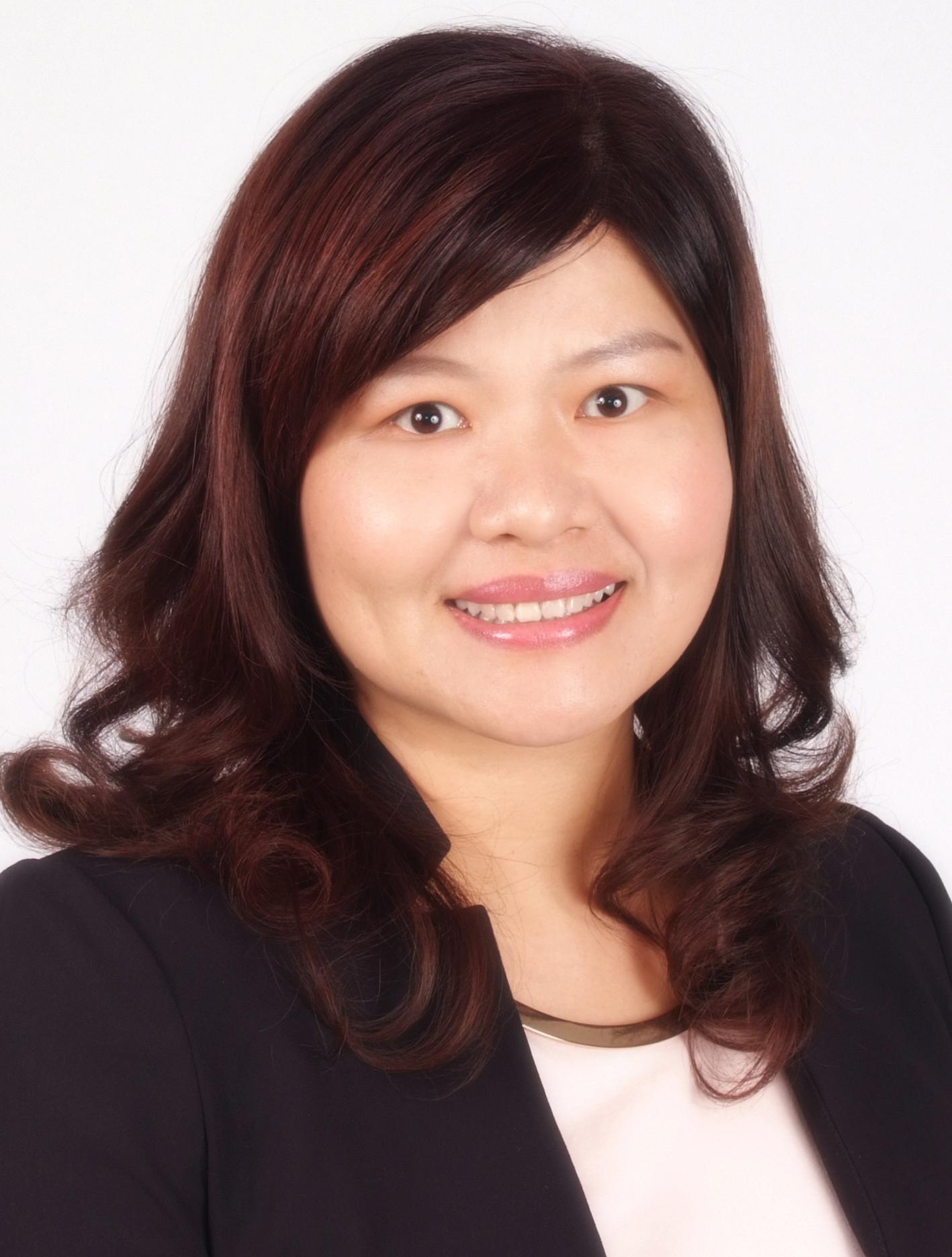
王羽恬
王羽恬是 Seven Lakes Financial Services Inc. 的创办人,同时也是服务安大略省及薩斯喀徹溫省客户的 Sun Life 顧问。她专精退休、遗产及投资规划,以溫暖且个人化的方式为每位客户提供服务,并能以英語、普通话及台語流暢沟通。