Life insurance is one of those topics that feels complex but actually becomes straightforward once you understand the basic framework. The core question is simple: if you were to die, would the people who depend on you financially be okay? If the answer is no — or not entirely — life insurance closes that gap.
为何人寿保险至关重要
Life insurance isn't about you — it's about the people who depend on your income, your contributions, and your presence. It answers three fundamental financial questions in the event of your death:
- Can your family maintain their lifestyle without your income?
- Can your mortgage and debts be paid off, preventing your family from losing the family home?
- Are there funds available to pay final expenses, taxes, and estate costs without burdening your survivors?
人寿保险的主要类型
Covers you for a specific term — 10, 20, or 30 years. If you die during the term, your beneficiaries receive the death benefit. If you outlive it, coverage ends. Lowest premiums for the most coverage.
Covers you for life, never expires. Premiums are higher but build guaranteed cash value. Sun Life Par policies pay annual dividends that grow the policy's value.
Permanent coverage with an investment component. Premiums and coverage can be adjusted over time. Popular with business owners for tax-sheltered wealth building.
Not strictly 'life' insurance — pays a lump sum if you're diagnosed with a covered critical illness. Increasingly important as a complement to life coverage.
您需要多少保障?
The most common approach is the DIME method — a quick framework for estimating your coverage needs:
债务
Total all debts: mortgage, car loans, student loans, credit cards, lines of credit.
Income replacement
Multiply your annual income by the number of years your family would need support (typically until children are adults or your spouse reaches retirement).
按揭
Include the full mortgage balance if not already counted above.
教育费用
Estimate the cost of post-secondary education for each child.
As a rough starting point, many financial planners suggest coverage of 7–10× your annual income. But the right amount depends entirely on your family's specific situation, your existing assets, and your outstanding obligations.
最佳购買时机是何时?
The honest answer: as early as possible. Life insurance premiums are based primarily on your age and health at the time of application. A healthy 30-year-old pays a fraction of what a 45-year-old pays for the same coverage. A health issue discovered later — diabetes, high blood pressure, a family history of cancer — can increase premiums dramatically or make coverage difficult to obtain at all.
- Best time to start a term policy: Early 30s, when you're forming a family and have a mortgage
- Best time to start a permanent policy: Mid-30s to 40s when it's still affordable; younger children in need of long-term coverage
- Never too late: Carrie can find coverage solutions for clients in their 50s and 60s — though premiums will be higher
常見的人寿保险錯误
- 僅依賴工作单位的團体保障: Employer life insurance typically ends when you leave — and won't be enough for most families anyway. Always carry personal coverage.
- 为子女投保而非父母: Children don't have dependants. The breadwinners need insurance, not the kids.
- Choosing the cheapest option without understanding it: The cheapest term policy from an unknown insurer may have exclusions or rate hike provisions not in the policy you thought you were buying.
- Not reviewing coverage after major life events: Marriage, children, mortgage, business ownership — each of these changes your coverage needs significantly.
- 让保障失效: Once you've qualified for coverage at a good health rating, maintain it. Reapplying later may be harder or more expensive.
Carrie's advice: Life insurance is one of the few financial decisions where procrastinating genuinely costs money — every year you wait, premiums increase and the risk of a health issue disqualifying you grows. Book a conversation with Carrie to review your current coverage and determine if there's a gap.
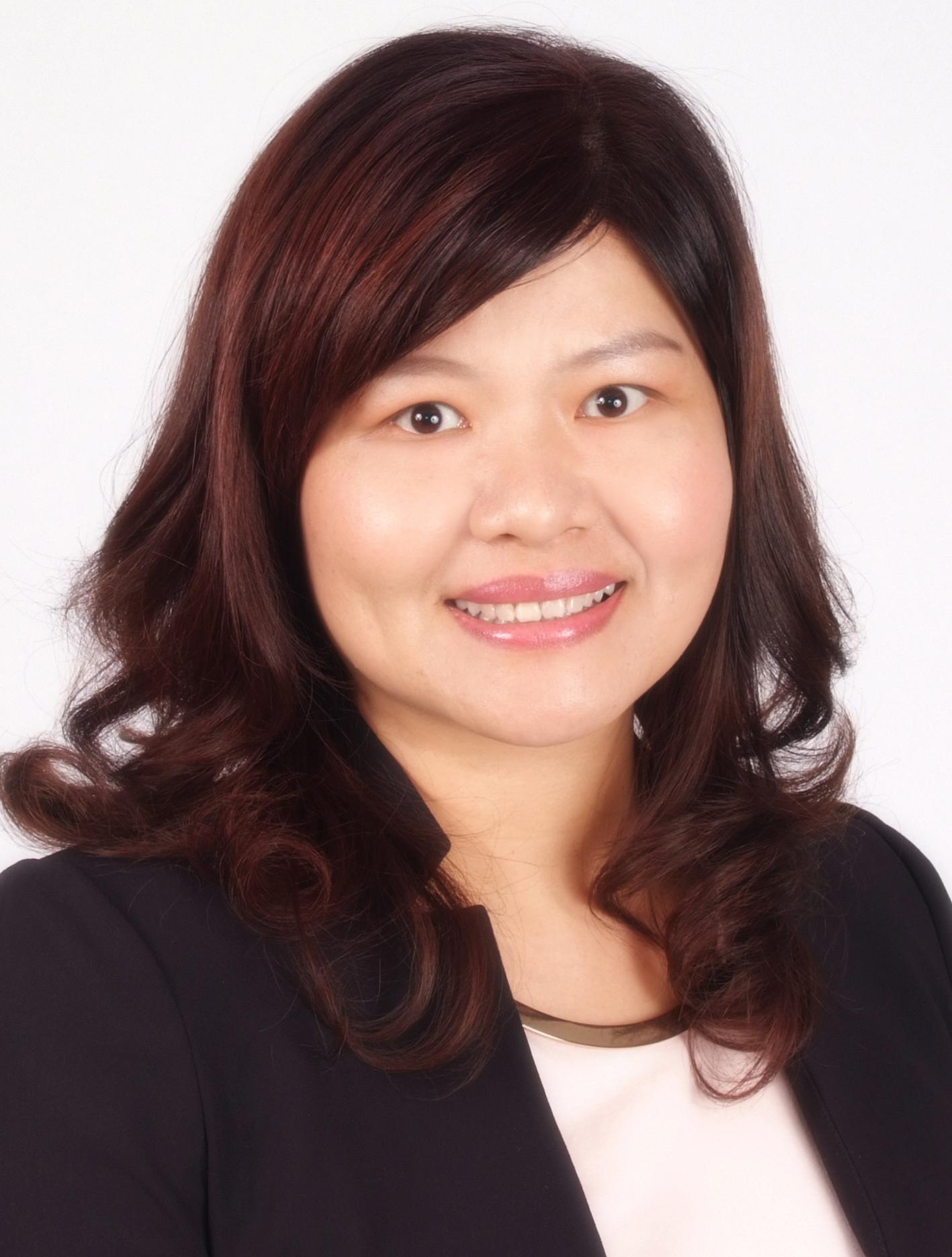
王羽恬
王羽恬是 Seven Lakes Financial Services Inc. 的创办人,同时也是服务安大略省及薩斯喀徹溫省客户的 Sun Life 顧问。她专精退休、遗产及投资规划,以溫暖且个人化的方式为每位客户提供服务,并能以英語、普通话及台語流暢沟通。