One of the most common questions I hear from clients — especially those just starting to invest — is: "I have some money to invest. Where should I put it?" The answer depends on your income, your goals, whether you have children, and what your tax situation looks like in retirement. But there is a general priority order that works for most Canadians.
四大主要帳戶選擇
Before we get to the priority order, here's a quick look at each account type and what makes it unique:
Grow and withdraw money completely tax-free. Withdrawals don't affect OAS or GIS benefits in retirement.
免稅增長及提款Contributions reduce your taxable income today. Investments grow tax-sheltered until you withdraw in retirement.
稅務扣減及遞延增長Save for your child's education with government matching grants up to $7,200 per child over their lifetime.
免費政府補助No contribution limits and no tax shelter. Full flexibility with no restrictions on access or amount.
無限額,完全靈活建議的優先順序
For most Canadian families, here is the order Carrie recommends when deciding where to invest your next available dollar:
僱主 RRSP 配對——若有此福利,永遠優先使用
If your employer matches RRSP contributions, contribute at least enough to capture the full match. This is an immediate 50–100% return before a single investment gain occurs. No other financial move delivers that kind of instant return.
RESP——若您有17歲以下的子女
Contribute at least $2,500 per child per year to receive the full annual Canada Education Savings Grant (CESG) of $500. The government is giving you free money — this should take priority over most other investing. Over a child's lifetime, this can add up to $7,200 in grants, plus all the investment growth on top.
TFSA——靈活強大,適合大多數加拿大人的次優選擇
For most people, the TFSA is the next best home for your money. Tax-free growth and completely tax-free withdrawals make it ideal for almost any goal — whether that's a home down payment, car, emergency fund, or retirement savings. Withdrawals don't count as income, so they never affect your OAS, GIS, or other income-tested government benefits.
RRSP——尤其是收入超過 $80,000 的情況
If you're earning $80,000 or more, RRSP contributions deliver powerful tax refunds that you can reinvest immediately. The higher your income today, the more valuable the deduction becomes — especially if you expect your tax rate to be lower in retirement. A $20,000 RRSP contribution in a 43% tax bracket saves $8,600 in taxes this year.
非登記帳戶——待登記帳戶額度用完後
Once your TFSA and RRSP contribution room is used up, a non-registered account is an excellent overflow vehicle. There are no contribution limits, capital gains are taxed at a preferential rate, and Canadian dividends receive a tax credit — making it more tax-efficient than it might seem.
Carrie's practical tip: For most of my clients with children, we prioritize the RESP first (to capture government grants), then split remaining savings between the TFSA and RRSP based on current income. If you're unsure which order is right for your situation, let's walk through it together — the right answer changes based on your income, family situation, and retirement timeline.
TFSA 與 RRSP:決定選擇的關鍵問題
The single most important factor in choosing between TFSA and RRSP is: Is your marginal tax rate today higher or lower than it will be in retirement?
- If your income is high now and will be lower in retirement → RRSP wins. The deduction saves you tax at your high current rate; you pay tax at a lower rate later.
- If your income is moderate or similar in retirement → TFSA wins. No tax deduction now, but withdrawals are completely tax-free forever — and won't affect OAS, GIS, or income-tested benefits.
- If you're unsure → do both. Split contributions and give yourself flexibility to draw from both in retirement, managing your taxable income each year.
並排比較
| Account | Tax deduction | Tax-free growth | Tax-free withdrawal | Affects OAS/GIS? | 最適合 |
|---|---|---|---|---|---|
| TFSA | — | ✓ | ✓ | No | 大多數目標,任何收入水平 |
| RRSP | ✓ | ✓ | — | Yes | 高收入人士,退休規劃 |
| RESP | — | ✓ | Taxed in student's hands | No | 子女教育 |
| Non-Reg | — | — | — | Yes | 超額投資 |
結論
There's no single right answer for everyone — the best account strategy depends entirely on your personal income, life stage, family situation, and retirement goals. But the framework above gives you a strong starting point. And if you're not sure where you fall, a brief conversation with Carrie can give you a clear, personalized answer in minutes.
Ready to figure out your own priority order? 預約免費諮詢 with Carrie — she'll review your current accounts, income, and goals and give you a clear, concrete recommendation tailored to your situation.
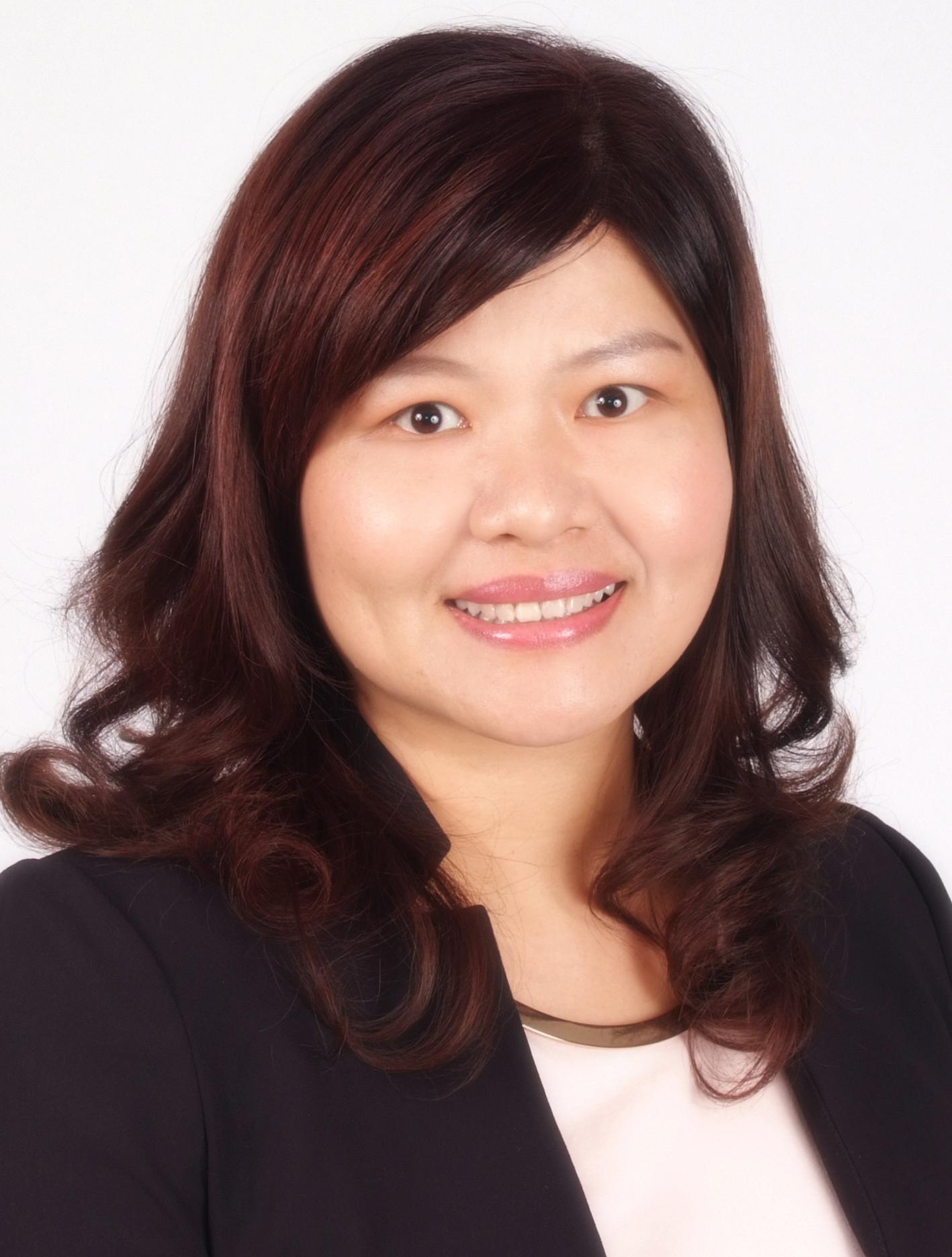
王羽恬
王羽恬是 Seven Lakes Financial Services Inc. 的創辦人,同時也是服務安大略省及薩斯喀徹溫省客戶的 Sun Life 顧問。她專精退休、遺產及投資規劃,以溫暖且個人化的方式為每位客戶提供服務,並能以英語、普通話及台語流暢溝通。