Life insurance protects your family if you die. But what happens if you don't die — you just become seriously ill and can't work for months or years? That's the gap critical illness insurance fills. And for working Canadians with families, mortgages, and financial obligations, this gap is enormous.
What is critical illness insurance?
Critical illness (CI) insurance pays you a tax-free lump sum if you are diagnosed with one of the covered conditions specified in your policy — and survive the waiting period (typically 30 days). Unlike disability insurance, which replaces income monthly, CI insurance pays a one-time lump sum that you can spend on absolutely anything.
There are no restrictions on how you use the money. You could use it to:
- Replace lost employment income while you're unable to work
- Pay for experimental treatments, private care, or out-of-country specialists
- Pay off your mortgage so your family has housing security during your illness
- Cover the cost of a caregiver so your spouse doesn't have to stop working
- Simply give yourself the financial freedom to focus entirely on recovery without financial stress
What conditions are covered?
Most comprehensive CI policies cover 25–30+ conditions. The most common covered conditions include:
- Cancer (life-threatening)
- Heart attack
- Stroke
- Coronary artery bypass surgery
- Aortic surgery
- Heart valve replacement
- Kidney failure
- Major organ transplant or organ failure
- Multiple sclerosis
- Parkinson's disease
- Alzheimer's disease and severe dementia
- Paralysis, blindness, deafness, loss of speech
- Severe burns, coma, loss of limbs
How does a CI payout actually help?
Real-world scenario
A 45-year-old client is diagnosed with breast cancer. Treatment requires 8 months of absence from work. She has a $300,000 CI policy. She uses $80,000 to pay off her mortgage, $60,000 to replace her lost income for 8 months, $40,000 to fund a treatment not covered by OHIP, and retains $120,000 in reserve for follow-up care and lifestyle adjustments. Without the CI payout, she would have depleted her RRSP and TFSA entirely.
Critical illness vs disability insurance
| Feature | Critical illness | Disability insurance |
|---|---|---|
| Payment type | Tax-free lump sum | Monthly income replacement |
| Trigger | Diagnosed with covered condition | Unable to work due to illness/injury |
| How you use it | Any purpose — completely unrestricted | Replaces employment income |
| Waiting period | Typically 30 days after diagnosis | Typically 90–120 days |
| Duration | One payment only | Monthly until recovery or age 65 |
| Best for | Major illness financial cushion | Long-term income replacement |
Many Canadians benefit from having both — CI for the lump-sum flexibility in the event of a critical illness, and disability for ongoing income replacement for any condition that prevents working.
Choosing the right CI policy
- Coverage amount: A common target is 1–2 years of your gross income, plus outstanding mortgage balance.
- Number of covered conditions: Comprehensive policies covering 25+ conditions offer better protection than basic 3-condition policies.
- Return of premium option: Many CI policies offer a 'return of premium' rider — if you never make a claim, all your premiums are refunded. This significantly changes the risk/reward calculation.
- Early detection coverage: Some policies pay a partial benefit for early-stage cancers. Worth looking for.
- Carrie will shop the Sun Life portfolio and help you find the right coverage at the right premium for your health situation.
Carrie's perspective: Of all the insurance conversations I have with clients, critical illness is the one where people most often say 'I wish I'd done this sooner' after making a claim. It's not catastrophizing to plan for the possibility of a serious illness — it's simply being responsible for the people who depend on you.
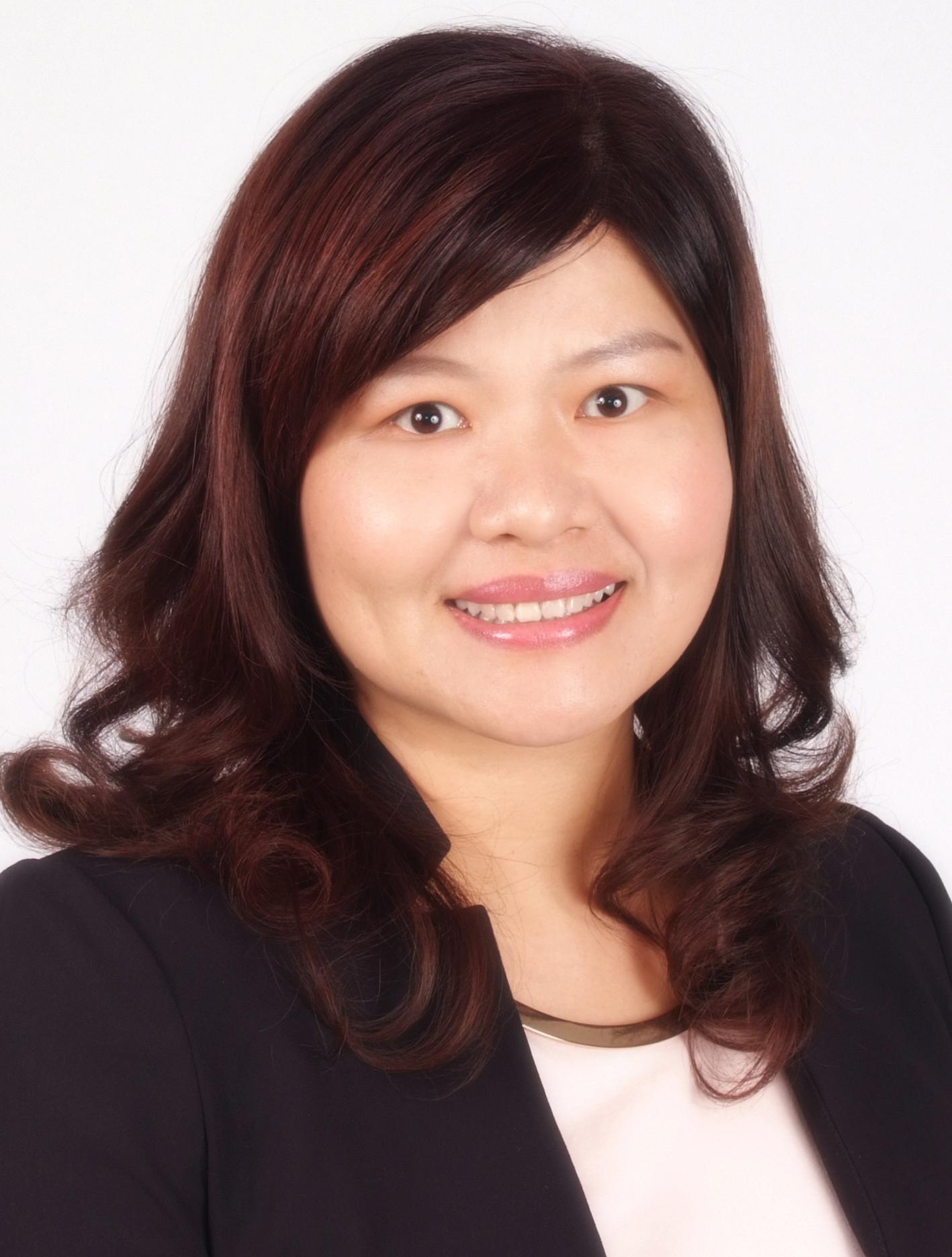
Carrie Wang
Carrie is the founder of Seven Lakes Financial Services Inc. and a Sun Life advisor serving clients across Ontario and Saskatchewan. She specializes in retirement, estate, and investment planning, with a warm, personalized approach. She is fluent in English, Mandarin, and Taiwanese.