The RRSP is one of Canada's most powerful savings tools — but it comes with a catch that surprises many retirees. Every dollar you withdraw from your RRSP (or RRIF) is fully taxable as income. Without careful planning, a large RRSP balance can trigger OAS clawbacks, push you into higher tax brackets, and generate far more tax in retirement than you saved on the way in.
What is the RRSP drawdown trap?
The trap works like this: you contribute to your RRSP during your working years (saving tax at your high marginal rate), let it grow for decades, then reach retirement with a large RRSP balance. But when you start withdrawing — or are forced to convert to a RRIF at age 71 with mandatory minimum withdrawals — all of that money is suddenly taxable income. In the wrong scenario, this can:
- Push you into a higher tax bracket than you were in during your working years
- Trigger OAS clawback (repayment tax) if your income exceeds $93,454 in 2025
- Reduce GIS eligibility for lower-income retirees
- Result in higher after-death taxes on your estate if you have a large RRIF at death
Understanding the RRIF conversion
At age 71, your RRSP must be converted to a Registered Retirement Income Fund (RRIF). Once converted, you must withdraw a minimum percentage each year — starting at approximately 5.28% at age 71 and rising to over 20% by age 95. These mandatory minimums mean that if you haven't planned ahead, you may be forced to withdraw more than you need in some years, pushing up your taxable income unnecessarily.
Strategies to reduce your RRSP tax burden
Start drawing down your RRSP early
Rather than waiting until 71, begin making strategic RRSP withdrawals in your 60s — especially in years when your other income is low. This spreads the tax bill over more years and at lower rates.
Fill lower tax brackets deliberately
Each year, withdraw just enough from your RRSP to fill your lower tax brackets without crossing into higher territory. Carrie can calculate the optimal annual withdrawal for your situation.
Contribute to your TFSA with RRSP withdrawals
Withdraw from your RRSP at a low tax rate, pay the tax, and move the remaining proceeds into your TFSA. The money then grows and can be withdrawn tax-free forever.
Delay CPP and OAS where possible
If you draw down your RRSP in your early retirement years while delaying CPP and OAS to 70, you minimize the period where all income sources are taxable simultaneously.
Spousal RRSP income splitting
If you contributed to a spousal RRSP during your working years, withdrawals come out in your spouse's hands (at their lower tax rate) after a 3-year waiting period.
Building a tax-efficient retirement income
The goal is to create a retirement income stream that draws from multiple buckets strategically each year — minimizing the total tax paid over your lifetime.
Draw strategically to stay in lower brackets. Avoid triggering OAS clawback.
Use to top up income in years when RRSP/RRIF withdrawals would otherwise spike your tax bracket.
Optimize start dates to complement your other income sources.
Draw when needed — capital gains are taxed at only 50% inclusion rate.
The RRSP meltdown strategy
The 'RRSP meltdown' is an advanced strategy where you borrow to invest and use the investment loan interest to offset RRSP withdrawals — effectively withdrawing from your RRSP at a very low or zero net tax rate. It requires professional advice and isn't right for everyone, but for clients with large RRSPs and specific circumstances, it can dramatically reduce lifetime tax. Ask Carrie if this approach makes sense for you.
The bottom line: The RRSP isn't just a savings account — it's a tax management tool. The decisions you make in the 10–15 years before and after retirement about when and how to draw down your RRSP will have a greater impact on your lifetime wealth than almost anything else. This is exactly the kind of planning Carrie specializes in.
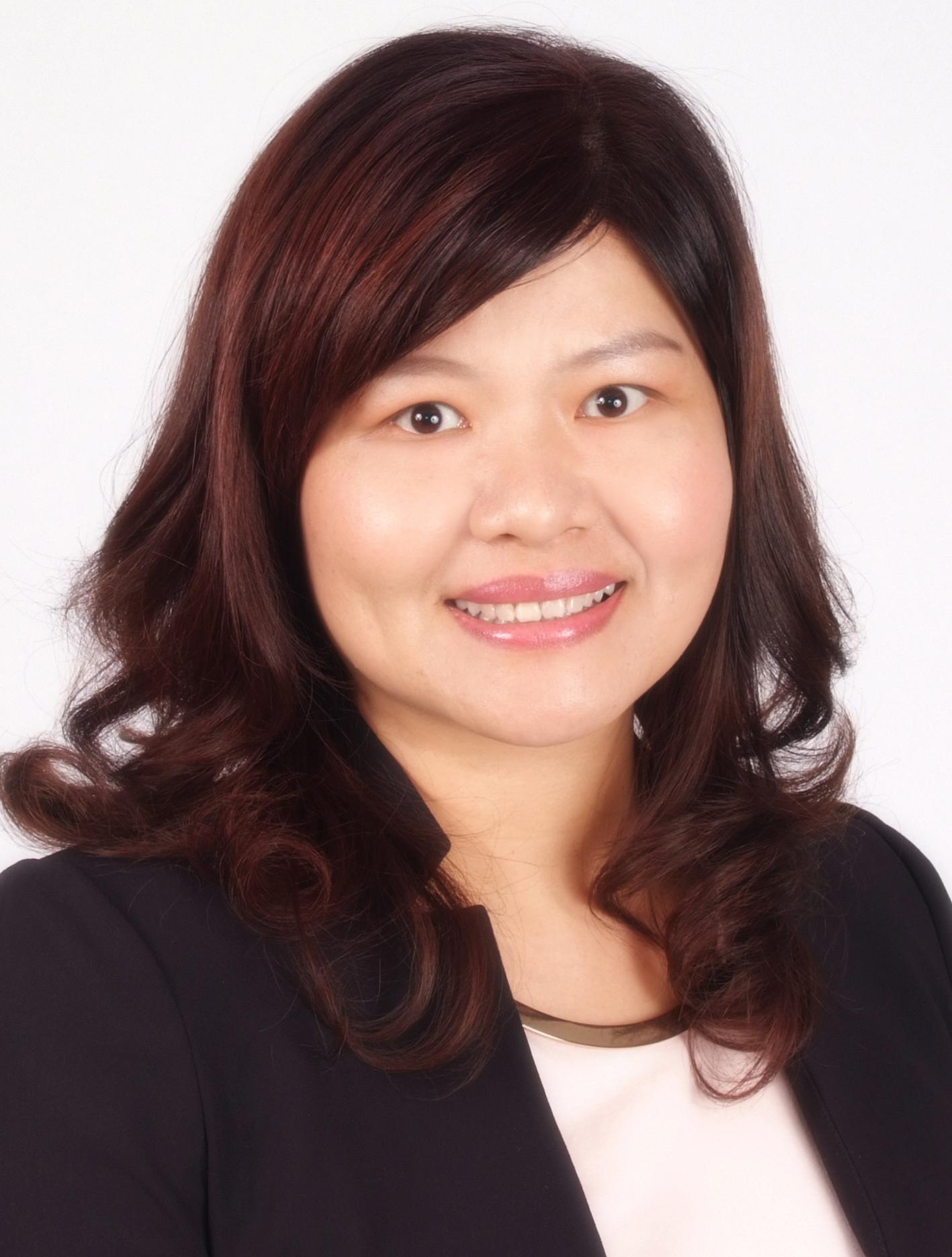
Carrie Wang
Carrie is the founder of Seven Lakes Financial Services Inc. and a Sun Life advisor serving clients across Ontario and Saskatchewan. She specializes in retirement, estate, and investment planning, with a warm, personalized approach. She is fluent in English, Mandarin, and Taiwanese.